Welcome to
FTL Scuba Diving
Your personalized scuba diving experience starts here.
Fort Lauderdale, FL
Discover FTL Scuba Diving
Experience the underwater world with personalized instruction and customized schedules. We offer private courses tailored to your pace and preferences.
Why Choose Us?
* Size & conditions permitting. We also partner with local dive operators.
Everything You Need
Where would you like to start?
Why Learn to Dive?
Explore the transformative experience of life beneath the surface.
Discover WhyLearning Process
Understand the simple steps to becoming a certified diver.
Learn MoreBeyond Open Water
Continue your training to become a better, safer, more confident diver.
Advance Your SkillsPricing & Equipment
Transparent pricing and honest gear advice.
View PricingSign Up & Contact
Ready to take the plunge? Get in touch and let's get started.
Contact UsDiscover the Ocean
Why Dive?
Why learn to dive?
Imagine floating weightlessly like an astronaut, watching colorful fish, or exploring shipwrecks. Scuba diving immerses you in a world that many people never get to see firsthand. With your Open Water Scuba Diver certification, you gain access to this world in a safe and educated manner.
Scuba diving is not just another sport; it's a transformative experience that allows you to witness life under the waves. It is an activity that can be enjoyed at almost any age and can be combined with travel to some of the most beautiful destinations in the world.
Underwater is one of the few places in the world where you can truly 'check out'. No emails, text messages, or social media while diving!
It's also an excellent gift for the family member who has always wanted to dive!
Top 5 Reasons You Should Become a Scuba Diver
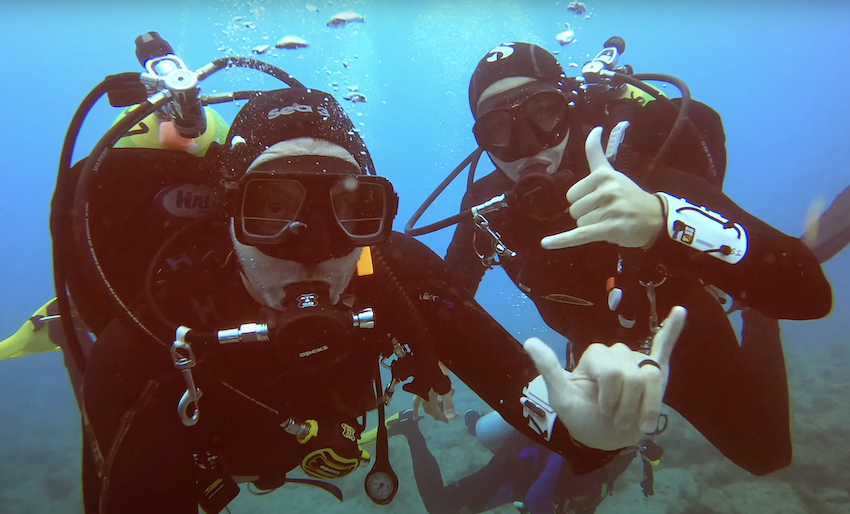
There is so much to explore.
Earning a scuba certification does more than just allow you to breathe underwater (although that's really, really cool.) It opens the door for you to go to places few people have gone before. From vast oceans to crystal clear lakes, there is a huge world out there just ready for you to join it.
Marine life is just better up close.
There are millions of species out there. Sure, you can go to an aquarium and see some fish. But why not join them in their natural environment, up close and in person? Nothing compares to seeing a massive sea turtle or moray eel in their natural habitat.
Freedom and tranquility.
It's hard to explain just how freeing it feels to escape gravity for the first time. There is something so peaceful about having all of the weight in your life lifted away as you float through the quiet, serene seascapes.
It's an amazing social activity.
Diving is the perfect activity for couples, friends, and family. You will learn new ways to communicate with each other underwater and you will improve your appreciation for each other when on land as well. Plus, if you have kids (age 10+), they can take the Junior Open Water Diver course and earn their certification alongside you.
It gets you moving.
Many of us don't get out as much as we should, but once you start diving, you won't think of anything else. Scuba is an outdoor activity and whether you choose to explore the vast, flowing seas or a relaxing, shallow lake, you will find yourself becoming a more active and exciting person.
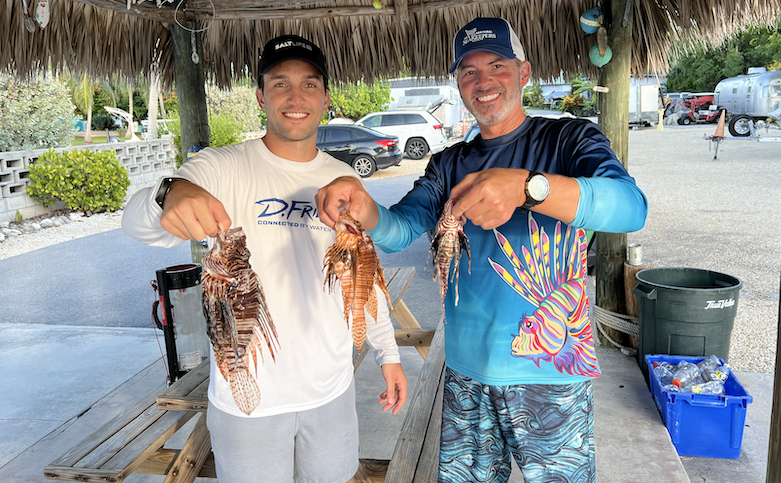
Here are my most recent diving videos—join us and create amazing memories!
Click here for more videosYour Path to Certification
Learning Steps
What is the Process to Learn to Dive?
Getting your Open Water certification is straightforward and fun. Here's how it works:
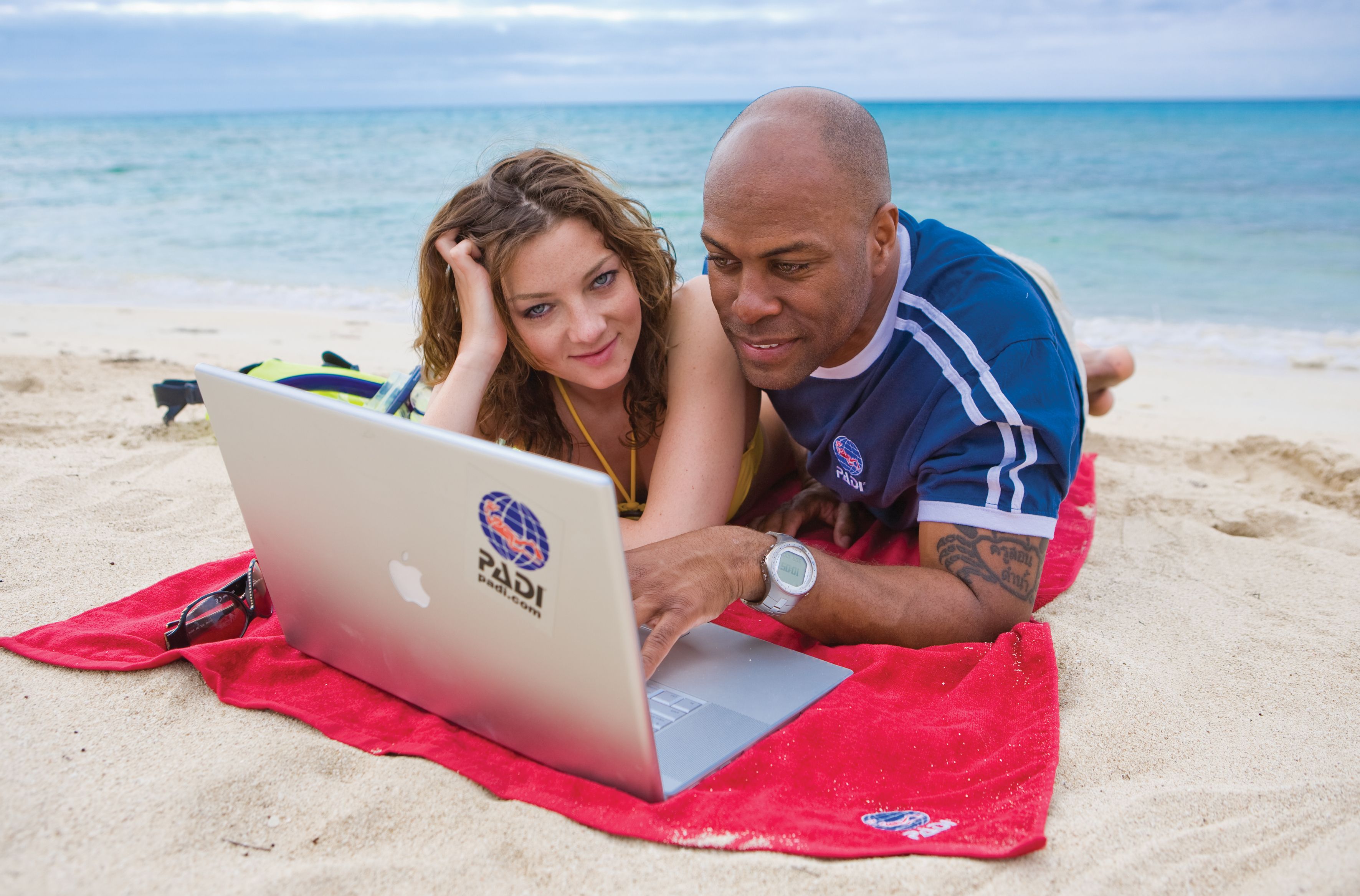
E-learning
Learn the fundamentals about diving at your own pace. About 10 hours of online coursework you can complete whenever and wherever works for you.
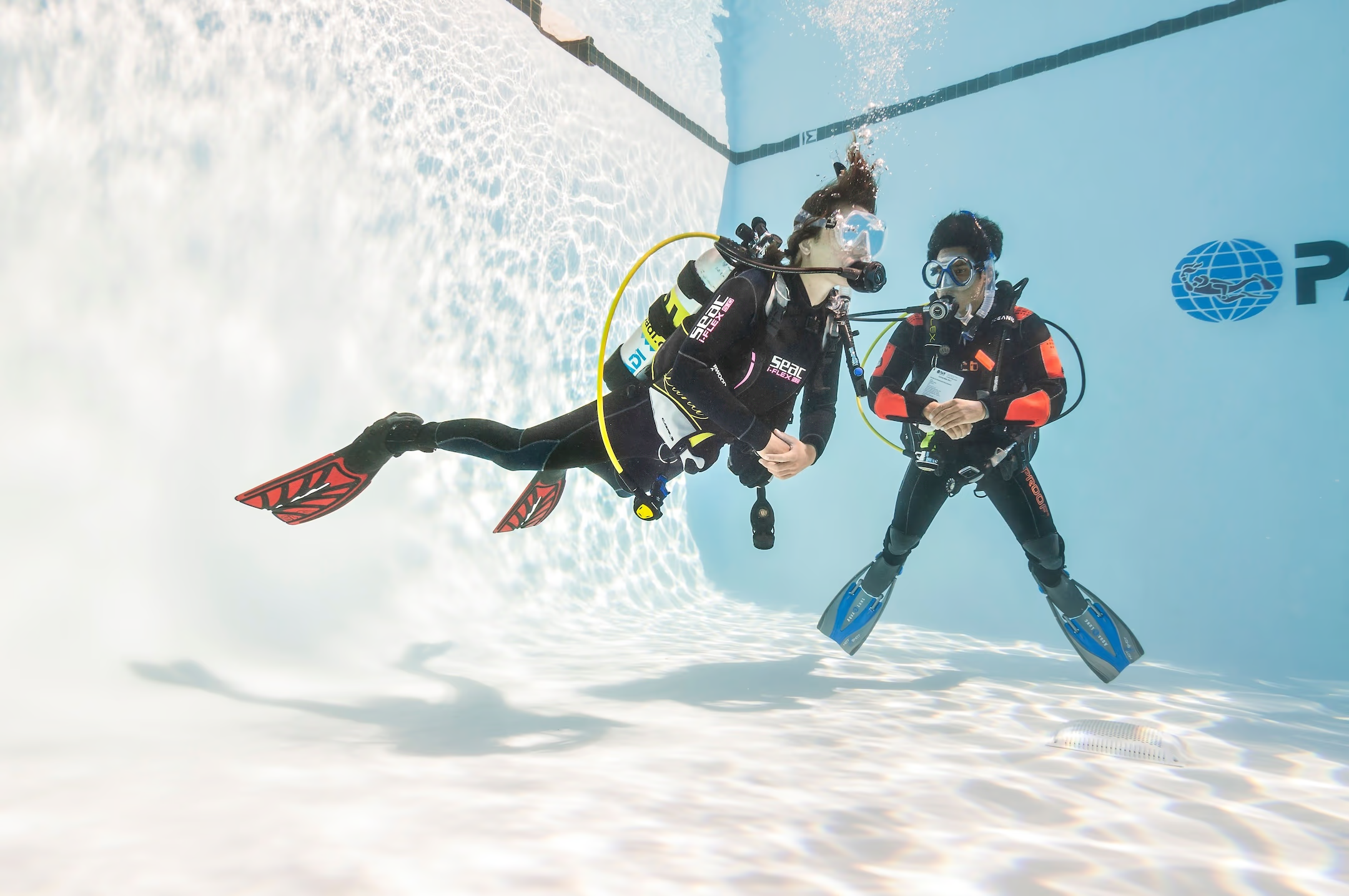
Pool or Confined Water
Work with an experienced instructor to master the basics of working with scuba equipment, breathing and swimming underwater, and handling situations you're likely to encounter.
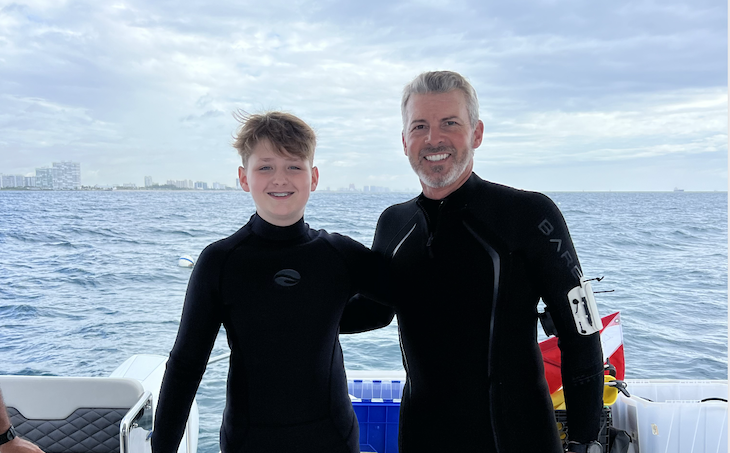
Go Diving
In the ocean (from shore or from a boat), or in a large body of water like a lake, put your scuba skills to work while enjoying the underwater environment.
Note: time estimates are averages — it depends on how quickly you master the specific skills and performance requirements.
We will always work at your pace.
Take It Further
Advanced Diving
Why continue training beyond Open Water?
Open Water certification is like first learning to drive a car — you know the basics, but there's still a lot to learn before you're truly comfortable in any situation.
Advanced Open Water
With diving, experience and coaching by a professional makes you a better, safer, and more comfortable diver. The natural progression is the Advanced Open Water course.
- 2 dives focused on Deep diving and Underwater Navigation
- 3 dives in areas of your choice, such as Night, Buoyancy, Fish Identification, Wreck, or Drift
Why it matters
Every dive after your Open Water cert builds confidence and skill. Formal training accelerates that. You'll learn techniques that take recreational divers years to figure out on their own, and you'll dive with far greater self-assurance from the start.
Specialty Courses
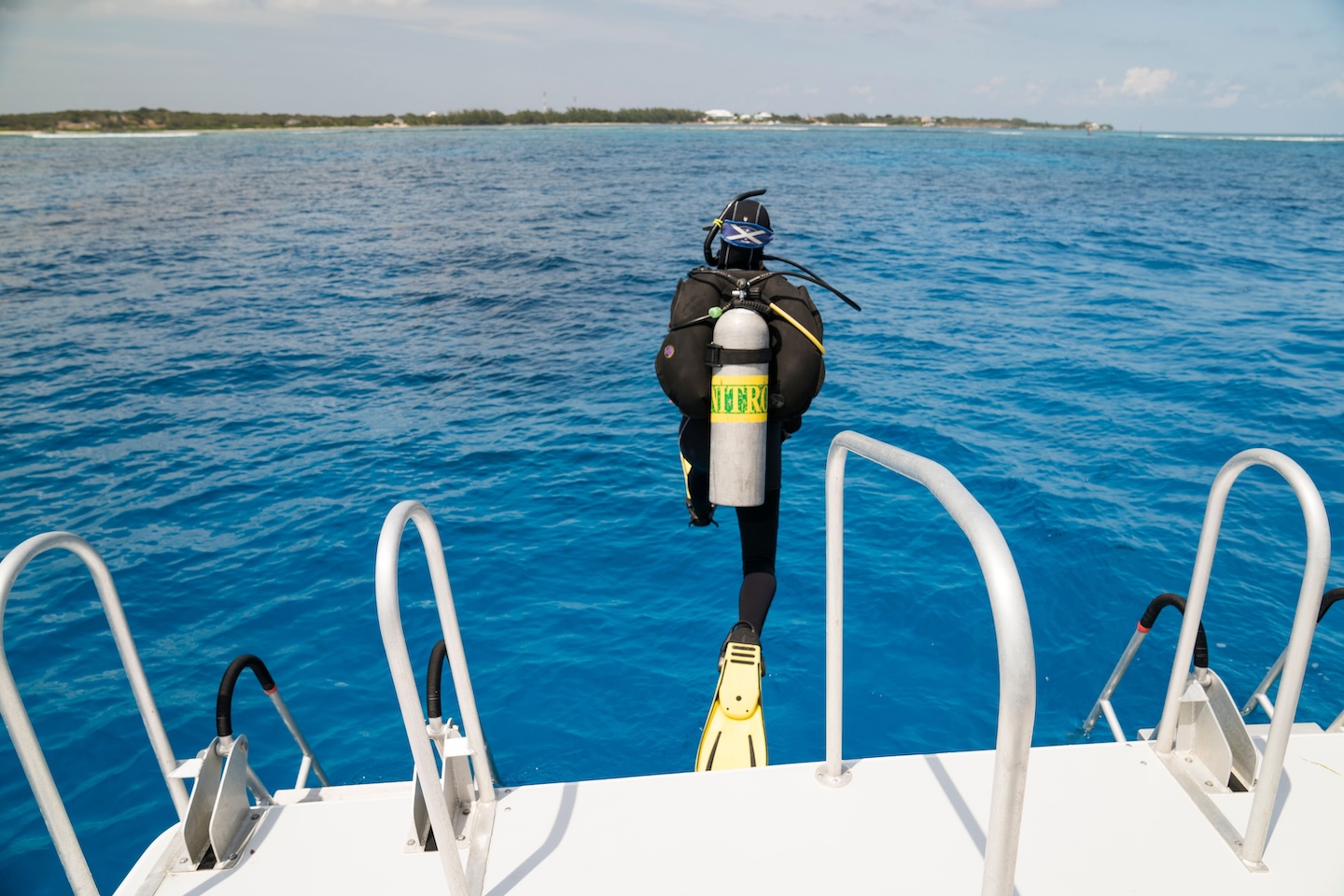
Enriched Air Nitrox
Extend your dive times by breathing enriched air Nitrox (rather than the 21% oxygen in the regular air we breathe), which provides longer No Decompression Limits and shorter surface intervals.
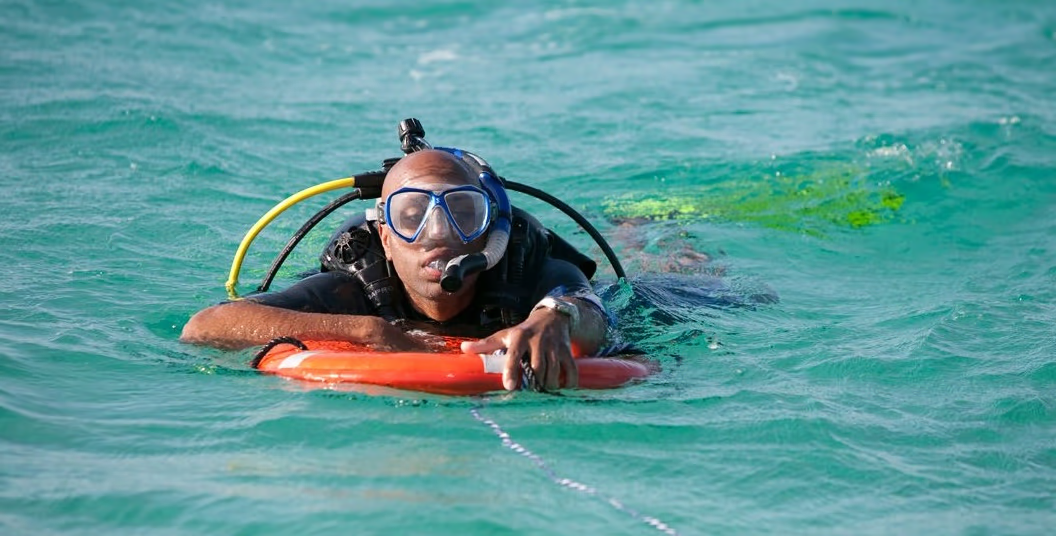
Rescue
Become a more confident diver who is able to help your buddy and other divers solve problems they may experience. Many people say it's their favorite dive training course.
Other Specialties
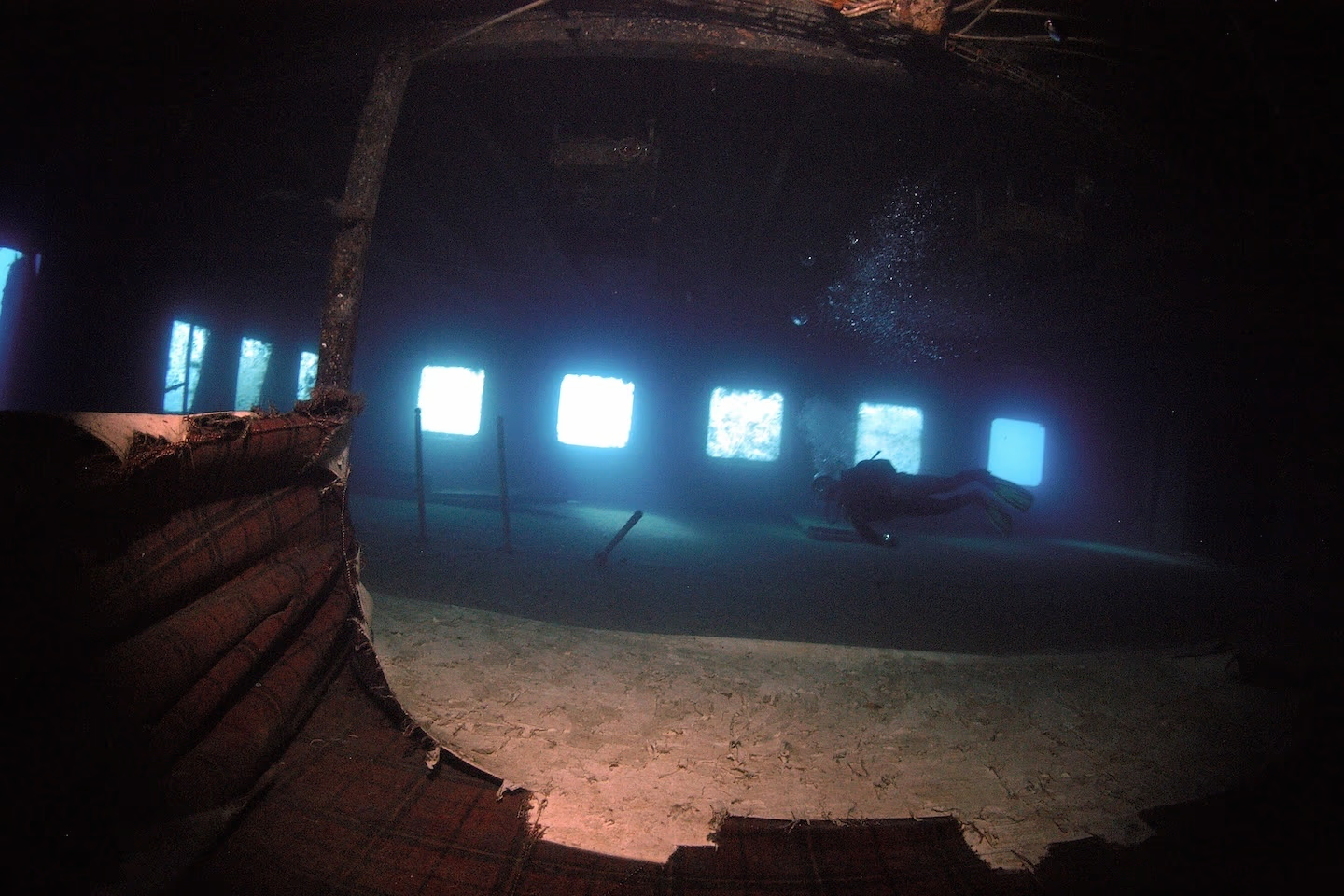
Dive deeper (pun intended) into different areas of interest—like Wreck diving, Underwater Navigation, Dry Suit, Peak Performance Buoyancy.
Transparent Pricing
Pricing & Equipment
How much does it cost to dive?
Like many things in life, it depends! But we promise full transparency upfront.
Open Water Certification
$900–$1,200
Private instruction, all-inclusive
- All e-learning materials
- Full day of pool training
- 2 days of open water dives
- Rental equipment included
In full transparency, diving is not an inexpensive sport, but it is comparable to activities like snow skiing, golfing, or even visiting a Florida Theme Park.
The specific costs will depend on factors such as the size of your party and where we choose to dive. We'll build a package to meet your needs.
Note that some dive shops will offer a low teaser price that is literally too good to be true, and doesn't include all of the costs you will actually pay to complete your certification. They may also offer a low price by combining a large group of strangers together. We will guarantee a full/comprehensive price upfront.
Required Gear
What You'll Need
Three items to purchase — we provide everything else.
Scuba Mask
RequiredSnorkel
RequiredFins
RequiredYou'll need to purchase
Mask
Get any scuba-quality mask that is comfortable and seals well against your face. Hold them to your face without the strap and try on several. I like a black skirt rather than a clear skirt for better vision (like wearing a hat to reduce sun glare). You'll need to clean the lens with an abrasive (not gel) toothpaste or inexpensive mask scrub product before you use it.
Watch: Choosing a Scuba MaskSnorkel
Don't spend much money on a snorkel since you won't use it very much while diving. You don't want anything fancy or self-sealing/'stays dry.' Most have a purge valve on the bottom which makes it easier to clear water from the snorkel.
Fins
2 main styles: Open heel with a heel strap, and full-foot. Full-foot fins are typically ligher weight, and usually don't give you as much propulsion, and you can't wear booties with them in colder water, so I recommend open heel fins with booties for scuba diving. Fins with spring straps or bungee straps are easier to get on/off and last longer than ones with a traditional strap and buckle. Fins also come in 'split fin' and traditional/paddle styles. The split fins claim they are easier to kick and more efficient, but I prefer that traditional style for better power in currents and better control. Note: my personal favorite fins are the Apeks RK3s. Good quality brands for these gear that I like include Scubapro, Aqualung, Mares, Apeks, Fourth Element, Dive Rite, Cressi, Tusa, Hollis, Oceanic, Atomic, and Halcyon (among others).
Watch: Top 3 Favorite FinsMesh Bag
A mesh backpack makes it easy to carry your gear and dunk the whole thing in a rinse tank after diving. My favorite is the Stahlsac line which also have a waterproof compartment and they hold a lot.
Optional equipment
Wetsuit
A 3mm thick full wetsuit is usually sufficient for all but the coldest months in Fort Lauderdale. In late summer, when water temperatures are in the mid 80s, just a bathing suit and rash-guard long sleeve top are comfortable for most people. We will provide wetsuits as part of the course fee, but if you're going to dive often, it's nice to have your own suit that fits you perfectly and has never been peed in (by anyone but you).
Dive Computer
I will show you a few options during the class, as well as how to use them. I recommend buying one, but not before the class.
Watch: Dive ComputersStudent Stories
What Our Students Say
I have known Darin as an Instructor and friend for nearly a year now! His instruction is INCREDIBLE. I met Darin when he was my instructor for my wreck and search & recovery specialties! Both of which are VERY technical and definitely present hazards... Needless to say I have never had an instructor with whom I felt so safe, confident, and eager to keep learning! His attention to detail, confidence in me, and passion for diving are unparalleled. Darin continuously challenged me and made sure I was able to meet those challenges! On top of everything he guided me with pro tips that I will be using in my scuba career path (I am getting my DM this October thanks to Darin's support and encouragement ❤️).
N.S. - Boston, MA
Meet Your Instructor
Darin Artman
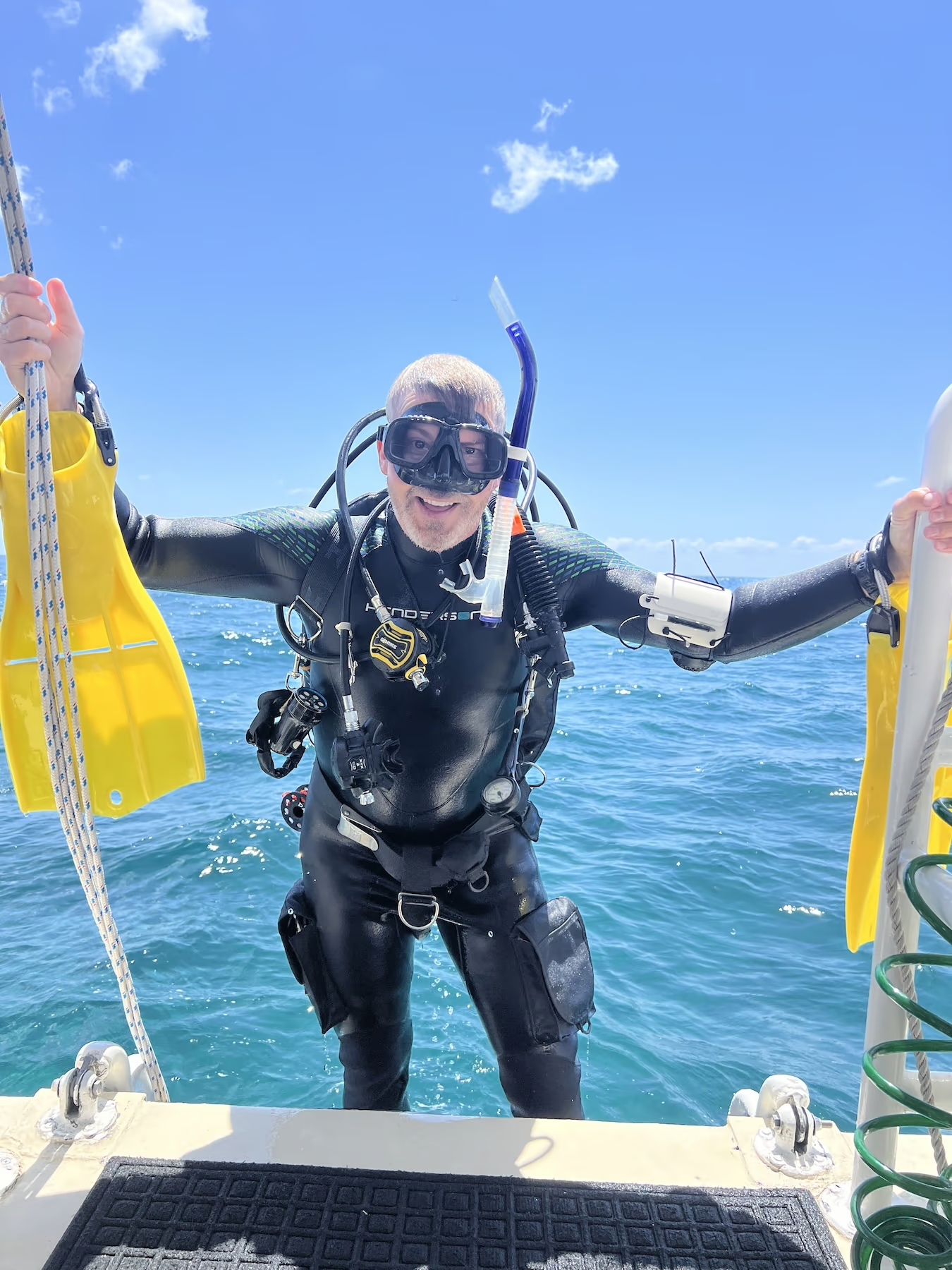
Want to learn how to scuba dive in Fort Lauderdale? You came to the right place. Darin was born in South Florida where he fell in love with snorkeling in the ocean as a young child. In college he became a certified diver and while living in New Jersey became an avid wreck diver and completed his PADI (Professional Association of Diving Instructors) Divemaster training. After moving back to South Florida, he retired from a career as a corporate executive, and became a dive instructor to share his passion for the ocean with others.
He loves opening the underwater world to new scuba divers and coaching experienced divers to become more knowledgeable, comfortable, and safe divers.
Let's go diving!
Start Your Journey
Contact
Ready to take the plunge?
Contact Us
Complete the form below to send us a message.
Alternatively, send me an e-mail at ftlscuba@gmail.com.